


In the rapidly evolving landscape of automotive technology, electric vehicles (EVs) have emerged as a promising solution to reduce carbon emissions and dependency on fossil fuels. Central to their operation are rechargeable batteries, which power electric motors and offer a cleaner, more sustainable alternative to traditional internal combustion engines. However, like any technological innovation, electric cars come with their own set of advantages, disadvantages and unique challenges. One of the primary concerns for potential EV owners is the scenario of running out of electric car battery charge while on the road and the implications thereof.
Understanding Electric Car Batteries
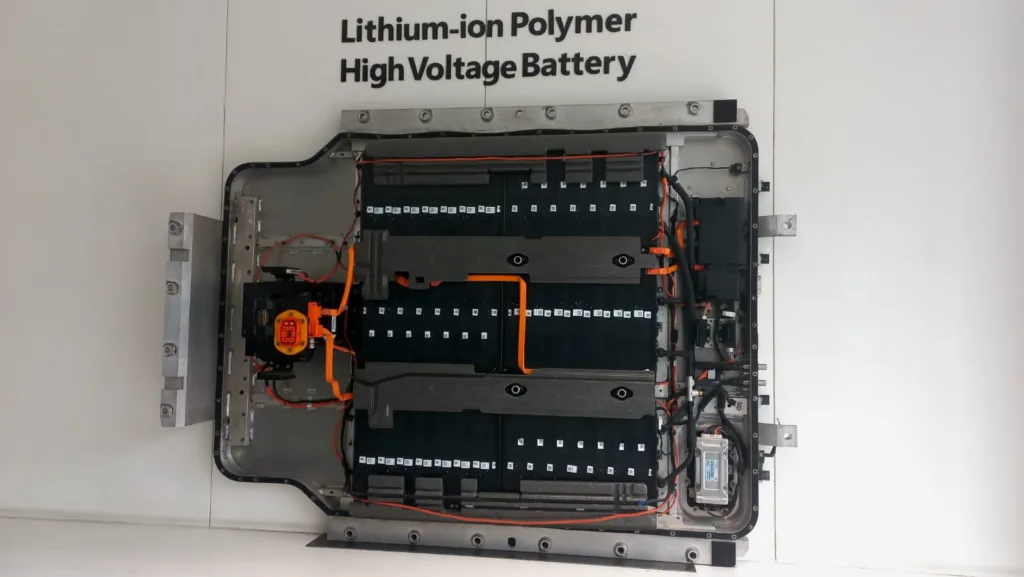
Electric cars rely on high-capacity lithium-ion batteries to store and deliver electricity to the vehicles electric motor. These batteries have significantly improved over the years in terms of energy density, charging speed and longevity but they still present limitations compared to the quick refueling capability of gasoline or diesel vehicles.
Advantages of Electric Cars
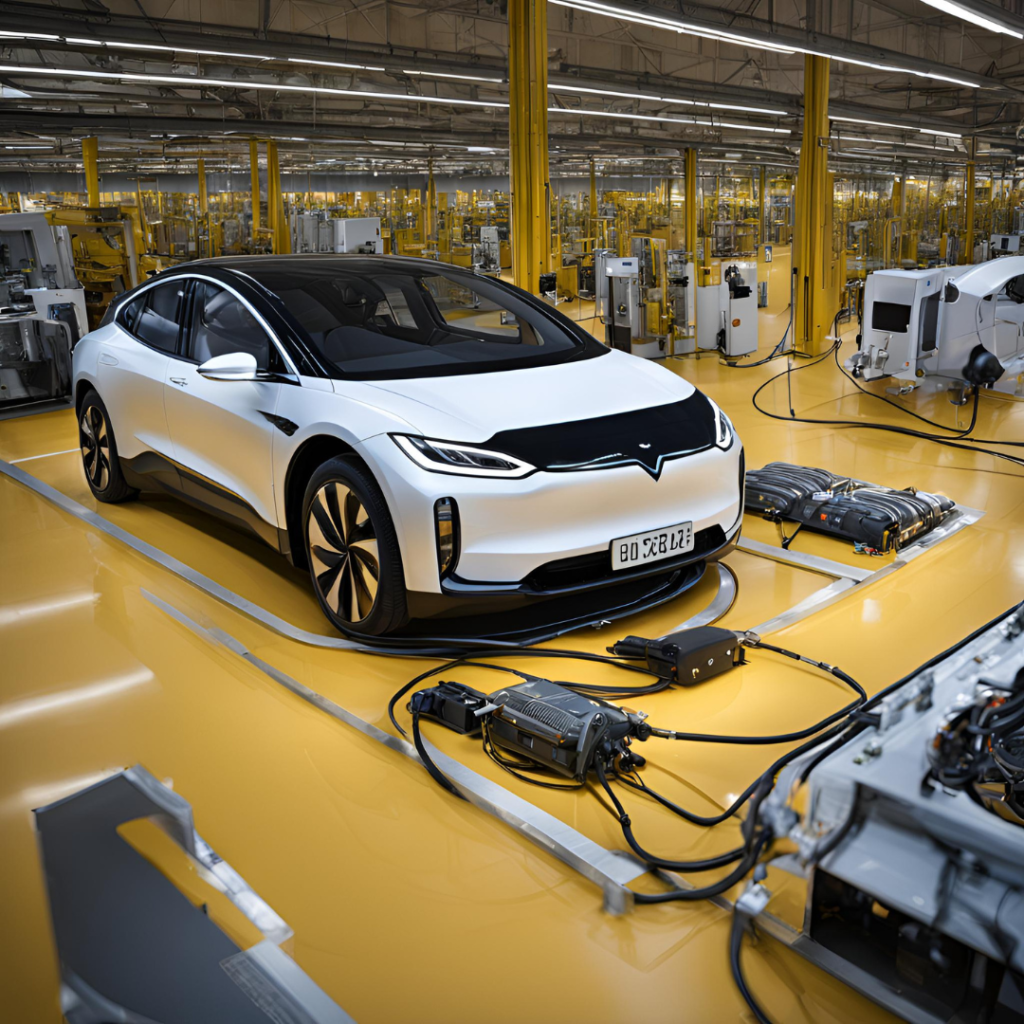
Environmental Benefits: EVs produce zero tailpipe emissions, reducing air pollution and greenhouse gas emissions, thereby contributing to cleaner air and combating climate change.
Lower Operating Costs: Electricity is generally cheaper than gasoline or diesel, resulting in lower fueling costs over time. Moreover, electric motors are simpler and require less maintenance than internal combustion engines.
Performance: Electric motors deliver instant torque, providing smooth and responsive acceleration compared to traditional engines. EVs often a quiet and comfortable driving experience.
Disadvantages of Electric Cars
Range Anxiety: One of the biggest concerns among potential EV buyers is the limited range per charge and the fear of running out of battery power before reaching a charging station.
Charging Infrastructure: While expanding rapidly, charging infrastructure is still not as ubiquitous as gasoline stations in many regions, which can limit the convenience of long-distance travel.
Initial Cost: Electric cars tend to have a higher upfront cost compared to their gasoline counterparts, although this gap is narrowing with advancements in technology and government incentives.
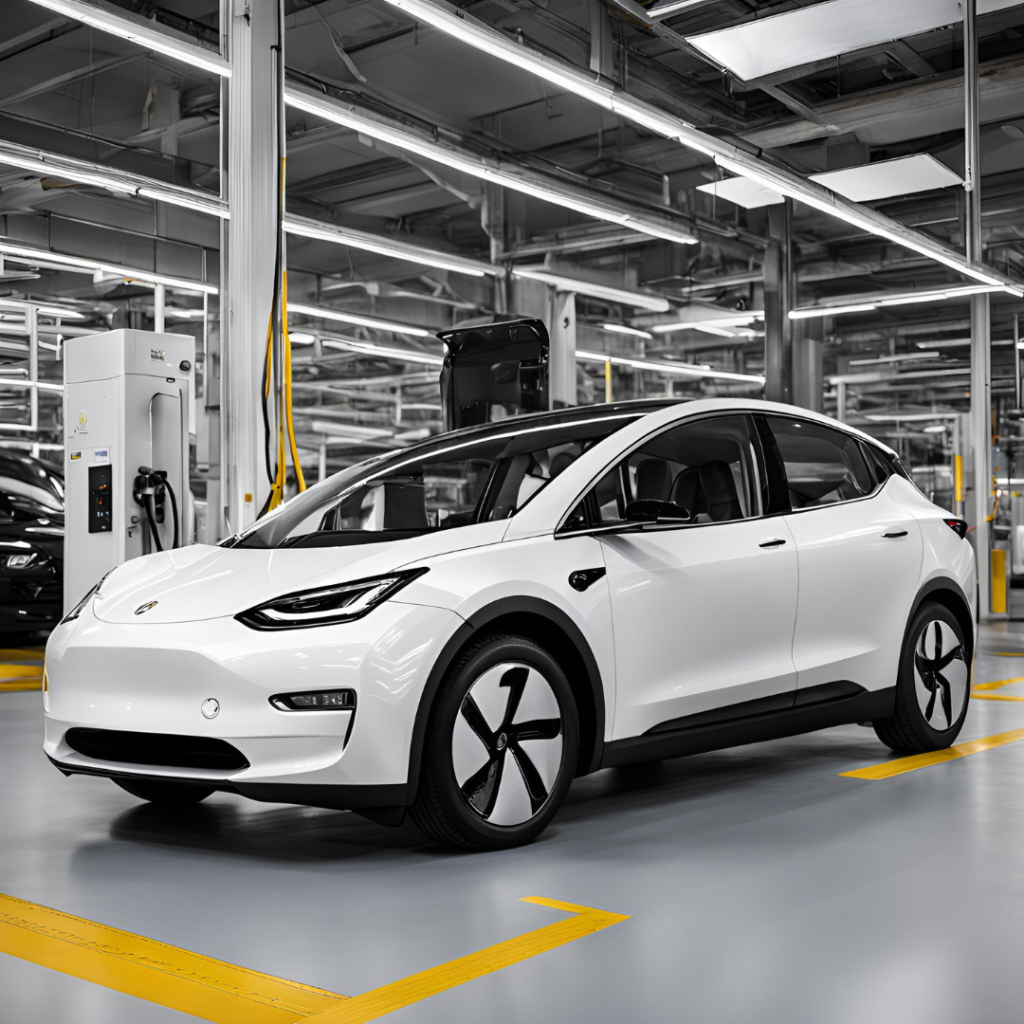
What Happens When an Electric Car Battery Dies?
Symptoms of Battery Depletion
When a electric car’s battery charge depletes, several indicators may signal impending shutdown –
- Reduced Power: The vehicle may enter a limited power mode to conserve remaining charge.
- Warnings: Dashboard alerts indicating low battery or remaining range.
- Shutdown: If the battery charge is not replenished in time, the vehicle will eventually come to complete stop.
Handling Battery Depletion
Immediate Actions
- Safety First: Navigate to a safe location away from traffic, if possible.
- Activate Hazard Lights: Alert other drives of your vehicle’s status.
- Assess Remaining Range: Use any available tools or apps to locate nearby charging stations or services.
Long-term Solutions
- Roadside Assistance: Many automakers and EV service providers offer roadside assistance programs specifically tailored to handle battery depletion scenarios.
- Towing: In cases where charging options are unavailable or impractical, towing services may be required to transport the vehicle to a nearby charging station or home.
Advantages of Electric Car Battery Depletion Management
- Learning Experience: Encourages drives to understand their vehicle’s range limitations and plan routes more efficiently.
- Improvements in Infrastructure: Highlighting the need for further development of charging networks and infrastructure.
- Safety Awareness: Promotes safe driving practices and emergency preparedness.
Disadvantages of Electric Car Battery Depletion
- Inconvenience: Potential delays in travel plans due to unexpected stops for recharging.
- Range Anxiety Reinforcement: Reinforces concerns about range limitations and the availability of charging stations.
- Perception Challenges: Contributes to public skepticism about the practicality and reliability of electric vehicles for long-distance travel.
Final Conclusion
Electric cars represent a significant shift towards sustainable transportation solutions, offering numerous environmental and economic benefits. However, challenges such as battery depletion and range anxiety persist as barriers to widespread adoption. Addressing these challenges requires continued advancements in battery technology, expanded charging infrastructure and enhanced consumer education.
In conclusion, while the fear of an electric car running out of battery charge is valid, proactive planning, improved infrastructure and evolving technology are steadily mitigating these concerns. Electric vehicles are poised to play a crucial role in the future of automotive innovation, provided that stakeholders continue to invest in addressing current limitations and promoting public confidence in this transformative technology.