


In the fast-evolving landscape of electric vehicles (EVs), Solid-State Drive (SSD) batteries are emerging as a transformative technology, poised to redefine the industry’s future. Understanding what SSD batteries are and why they represent the next frontier in EV technology is crucial to appreciating their potential impact.
What is an SSD Battery?
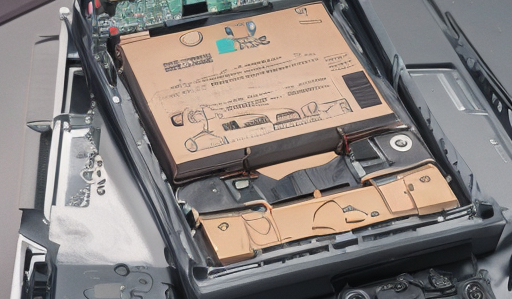
An SSD battery, or Solid-State Drive battery, represents a significant advancement over traditional lithium-ion batteries currently used in most EVs. Unlike lithium-ion batteries that use liquid electrolytes, SSD batteries utilize solid electrolytes. This solid-state design enhances safety, energy density and longevity while potentially reducing charging times and overall weight.
Why SSD Vehicle Battery is the Future of the EV World

- Enhanced Safety and Stability: Solid-state electrolytes are inherently safer than liquid electrolytes used in conventional batteries. They are less prone to leaks, fires and thermal runaway incidents, thereby enhancing overall vehicle safety.
- Increased Energy Density: SSD batteries offer higher energy density, meaning they can store more energy within the same volume. This translates to longer driving ranges for EVs on a single charge, addressing one of the primary concerns of consumers.
- Improved Lifespan: The solid-state design reduces degradation over time, leading to longer-lasting batteries compared to traditional lithium-ion counterparts. This longevity not only benefits consumers by reducing maintenance costs but also contributes to sustainable manufacturing practices.
- Environmental Sustainability: As the world shifts towards sustainable energy solutions, SSD batteries offer a promising pathway. They can be manufactured using less environmentally harmful materials and processes, aligning with global efforts to reduce carbon footprints.
- Charging Efficiency: SSD batteries potentially enable faster charging times due to their improved conductivity properties. This rapid charging capability enhances convenience for EV owners, making electric vehicles more competitive with traditional internal combustion engine vehicles.
Companies Leading the Charge
Several companies and research institutions worldwide are at the forefront of SSD battery development –
- QuantumScape (United States): Known for its solid-state battery technology, QuantumScape has made significant strides in developing high-performance SSD batteries for EV applications.
- Toyota (Japan): Toyota has invested heavily in solid-state battery research and aims to commercialize SSD technology in the near future, leveraging its expertise in automotive manufacturing.
- Samsung SDI (South Korea): A major player in the battery industry, Samsung SDI is actively pursuing advancements in SSD technology to meet the growing demand for electric vehicles globally.
The Affordability and Adoption of SSD Batteries in EVs
As Solid-state Drive (SSD) batteries emerge as a promising advancement in electric vehicle (EV) technology, questions arise regarding their affordability and widespread adoption across the industry. Exploring these aspects provides insights into the feasibility and potential barriers associated with integrating SSD batteries into mainstream EV production.
Affordability Considerations
- Current Cost Challenges: At present, SSD batteries are more expensive to produce compared to conventional lithium-ion batteries. This cost disparity is primarily due to the complexity of manufacturing solid-state electrolytes and scaling up production processes.
- Economics of Scale: As demand for SSD batteries grows and manufacturing techniques mature, economies of scale are expected to drive down production costs. This reduction could make SSD technology more cost-competitive with lithium-ion alternatives in the near future.
- Long-Term Cost Benefits: Despite initial higher costs, SSD batteries offer potential long-term savings. Their enhanced durability and energy efficiency can lower operational expenses over the lifespan of an EV, including reduced maintenance and longer battery replacements intervals.
Adoption by EV Companies
Current Industry Landscape: While several companies are actively researching and developing SSD batteries, widespread adoption across all EV manufacturers has not yet been achieved. Companies like Toyota and QuantumScape are leading the charge, but others are cautiously monitoring technological advancements and market readiness.
Technological Readiness: The adoption of SSD batteries hinges on technological advancements and validation of performance metrics such as energy density, safety and reliability. EV manufacturers are conducting rigorous testing and validation processes to ensure SSD technology meets or exceeds industry standards.
Regulatory and Market Forces: Government policies promoting sustainable transportation solutions and consumer demand for longer range and faster charging times are driving incentives for EV manufacturers to adopt SSD batteries. Regulatory support and market competition are critical factors influencing adoption rates.
Final Conclusion
In conclusion, SSD batteries represent a pivotal advancement in the evolution of electric vehicles, offering superior safety, energy density and environmental sustainability compared to traditional lithium-ion batteries. As companies continue to innovate and scale up production SSD technology holds the promise of accelerating the global transition towards cleaner, more efficient transportation solutions. Stay informed about the latest developments in EV technology to witness firsthand how SSD batteries are shaping the future of mobility.
For more information on SSD batteries and their impact on the electric vehicle industry, follow updates from leading manufacturers and research institutions driving innovation in sustainable energy solutions.