


Artificial Intelligence (AI) and Machine Learning (ML) have emerged as transformative forces across industries, reshaping how business operate, how individuals interact with technology, and even how societies function. This blog post explores the intricacies of AI and ML, their applications, potential impacts, and the future they promise.
Applications of AI

1. Natural Language Processing (NLP)
NLP enables machines to understand, interpret and generate human language. Applications include chatbots for customer service, sentiment analysis of social media data and language translation services. NLP advancements are enhancing communication and accessibility in various domains.
2. Computer Vision
Computer vision enables machines to interpret and understand visual information from images or videos. It finds applications in facial recognition systems, autonomous vehicles, medical imaging diagnostics and quality control in manufacturing. Computer vision algorithms continue to improve accuracy and reliability, revolutionizing visual data analysis.
3. Predictive Analytics
AI-driven predictive analytics leverages ML algorithms to forecast future outcomes based on historical data. Business use predictive analytics for demand forecasting, risk assessment in financial services, personalized recommendations in e-commerce and preventive maintenance in industrial settings. These insights optimize decision-making and operational efficiency.
Machine Learning (ML) – A Vital Component of AI

ML is a subset of AI that focuses on enabling machine to learn from data and improve over time without explicit programming. ML algorithms identify patterns and relationships within data to make predictions or decisions. The key types of ML include supervised learning, unsupervised learning and reinforcement learning, each serving different purposes in data analysis and problem-solving.
Advantages of AI and ML
1. Automation and Efficiency
AI and ML automate repetitive tasks, streamline processes, and enhance productivity across industries. This reduces operational costs, accelerates decision making, and allows humans to focus on creative and strategic activities.
2. Personalization and Customer Experience
AI-powered personalization delivers tailored recommendations, content and services based on individual preferences and behaviors. This improves customer satisfaction, engagement and loyalty by providing relevant experiences in real time.
3. Data-Driven Insights
ML algorithms analyze vast datasets to uncover insights, trends and anomalies that human analysts may overlook. These insights drive informed decision-making, uncover market opportunities, and mitigate risks in business operations.
Challenges and Considerations
1. Ethical and Bias Concerns
AI systems can perpetuate biases present in training data, leading to unfair outcomes or discrimination. Ethical considerations surrounding data privacy, transparency in algorithmic decision-making and AI accountability are critical for responsible AI deployment.
2. Complexity and Skill Gap
Implementing AI and ML requires specialized knowledge in data science, programming and algorithm development. Businesses face challenges in recruiting and retaining skilled professionals capable of leveraging these technologies effectively.
The Future of AI and ML

1. Advancements in Deep Learning
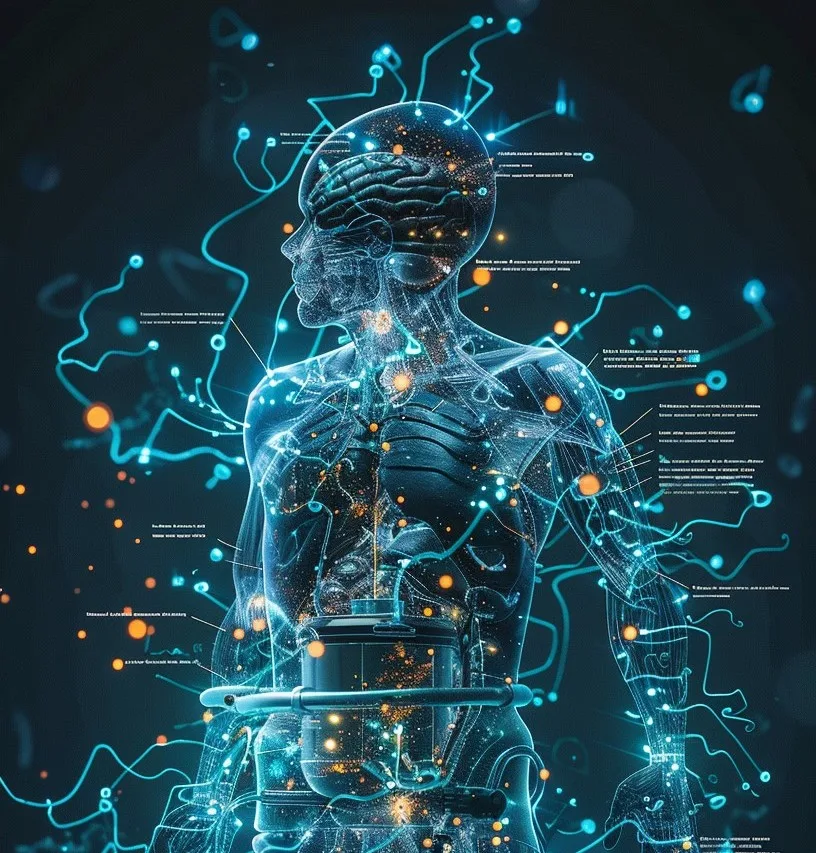
Deep learning, a subset of ML, continues to drive breakthroughs in AI applications such as image and speech recognition. Innovation in neural networks and computational power are expanding the capabilities of AI systems, enabling more complex tasks and problem-solving abilities.
2. AI-Driven Healthcare
AI and ML are revolutionizing healthcare with applications in disease diagnosis, personalized medicine, drug discovery and patient care management. These technologies enhance medical decision-making improve treatment outcomes and optimize healthcare delivery globally.
3. Integration with Internet of Things (IoT) and Robotics
AI is intersecting with IoT devices and robotics to create autonomous systems capable of intelligent decision-making and adaptive behavior. This convergence is driving innovations in smart cities, industrial automation, agriculture and environmental monitoring.
Final Conclusion
As AI and ML continue to evolve, their impact on society, business and technology ecosystems will only deepen. From enhancing efficiency and personalization to tackling complex challenges i healthcare and sustainability, these technologies are at the forefront of innovation. Embracing responsible AI practices, addressing ethical considerations and investing in talent development will shape a future where AI and ML empower humanity and drive inclusive progress. Stay tuned as these technologies pave the way for a smarter, more interconnected world.